Merry Christmas Clip Art 2: A Designer's Field Review
As someone who spends more time staring at stitch maps than most people spend watching television, I approach every new machine embroidery design with a mix of excitement and skepticism. We have all been there: you download a file that looks crisp on the screen, only to watch it turn into a bird's nest of thread on your actual garment. Today, I am putting Merry Christmas Clip Art 2 under the microscope. This isn't just a quick glance at a pretty picture; this is a practical evaluation of how this asset holds up when translated from a digital Graphics file into a tangible, stitched reality.
First Impressions and Visual Personality
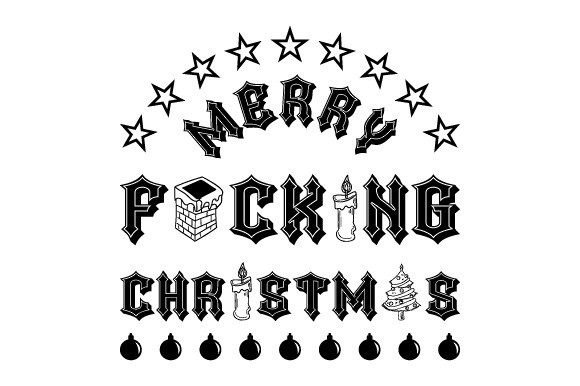
When I first loaded Merry Christmas Clip Art 2 into my editing software, the immediate takeaway was its festive clarity. In the world of holiday decor, designs often suffer from being either too cluttered or too generic. This piece strikes a balance. The layout feels intentional, with a visual personality that screams "cozy holiday" without feeling dated. The shapes are distinct, which is crucial for embroidery. Unlike vector art meant solely for print, an embroidery file needs to account for the physical displacement of thread. The lines here appear robust enough to handle the transition from screen to fabric without losing their definition.
The mood it creates is warm and inviting, making it an ideal candidate for projects that require a touch of handmade charm. Whether you are aiming for a rustic farmhouse aesthetic or a modern boutique look, the design's structure allows it to adapt. It does not rely on microscopic details that vanish under a layer of satin stitch or get lost in the texture of a towel. Instead, it leans on strong silhouettes and clear spacing, which is exactly what you want to see before committing to a production run.
Real-World Application: The Holiday Tote Test
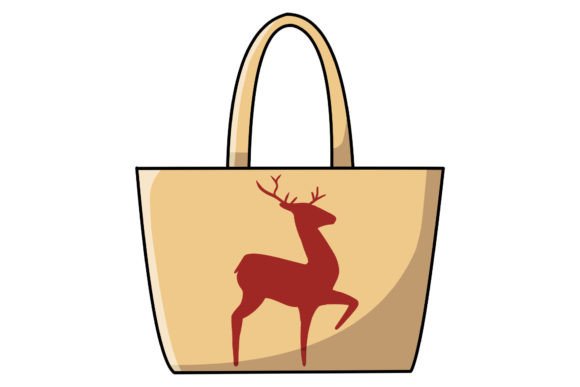
To truly gauge the value of Merry Christmas Clip Art 2, I envisioned a specific real-life scenario: preparing a batch of custom embroidered tote bags for a local craft fair. Tote bags are tricky; the canvas is heavy, the weave is coarse, and the stakes are high because these items need to withstand grocery runs and holiday shopping sprees.
In this context, the design shines. The scale of the artwork fits perfectly on a standard tote panel without overwhelming the fabric or looking like an afterthought. If I were stitching this onto a sweatshirt, the fill stitch areas would provide enough coverage to hide the garment's texture while remaining soft enough against the skin. For an embroidered patch, the defined edges would allow for a clean merrowed border or a tight satin finish.
Imagine offering this as a personalized gift option in your shop. A customer wants a kitchen towel for their mother-in-law. Merry Christmas Clip Art 2 adds that professional touch that elevates a simple linen towel into a cherished heirloom. It signals to the buyer that thought went into the product selection, boosting the perceived value of your handmade product. For an Etsy seller, this kind of reliability is gold; it reduces the risk of returns due to poor stitch quality and increases customer trust.
Navigating Fabric Challenges and Technical Constraints
However, no design is universal, and honest review requires pointing out where caution is needed. While Merry Christmas Clip Art 2 is versatile, it demands respect regarding fabric choice. If you are working with stretchy fabrics like jersey knits for baby embroidery, you must be vigilant with your stabilizer game. The density of the stitches, while generally well-balanced, could cause puckering if the backing isn't substantial enough to counteract the pull.
Similarly, if you plan to use this on dark fabrics, you need to evaluate the thread colors carefully. Does the design rely on light threads that might require an underlay to prevent the dark garment from showing through? Always test on scrap fabric first. This is non-negotiable for professional commercial embroidery. What looks good on a white background in a printable mockup might behave differently on a navy blue hoodie or a textured apron.
Small hoop sizes present another consideration. If the design has intricate corners or tiny lettering elements, ensure your hoop can accommodate the full span without cropping essential details. Curved surfaces, such as caps, also require careful hooping techniques. The rigidity of the design elements means they won't stretch with the fabric, so proper positioning is key to avoiding distortion on a curved brim.
Impact on Brand and Business Value
For creative entrepreneurs and small shop owners, the choice of design assets directly influences brand consistency. Using a high-quality, well-structured graphic like Merry Christmas Clip Art 2 reinforces a reputation for professionalism. When a customer receives a finished product where the stitching is crisp and the design is appropriate for the item, it fosters loyalty. It tells them you care about quality control.
Conversely, a design that breaks down during stitching can damage your reputation. This is why reviewing the stitch density and flow is so critical. A design that runs efficiently saves you time and thread, directly impacting your profit margins. If Merry Christmas Clip Art 2 minimizes unnecessary jumps and trims, it becomes a cost-effective asset for your craft business. It allows you to produce holiday embroidery items faster, whether you are fulfilling orders for custom apparel or creating stock for a boutique.
Final Verdict and Designer Notes
Before you dive into production with Merry Christmas Clip Art 2, here are my practical notes for ensuring success:
- Test First: Always stitch a sample on the exact fabric you intend to sell. Fabric texture changes everything.
- Check Contrast: Verify that your chosen thread palette offers sufficient contrast against both light and dark backgrounds.
- Review Density: Look closely at the fill areas. If they seem too dense for lightweight fabrics, consider editing the stitch count in your software.
- Confirm Licensing: Since this falls under Graphics, double-check the license terms. Can you sell finished physical items? Are digital resales permitted? Never assume.
- Mockup Verification: Create black and white mockups to ensure the design holds its shape even without color differentiation.
In conclusion, Merry Christmas Clip Art 2 appears to be a solid contender for your holiday catalog. It bridges the gap between artistic flair and technical feasibility. By respecting its limitations and leveraging its strengths, you can create stunning tote bag designs, memorable sweatshirt embroidery, and delightful gifts that customers will love. It is a tool that, when used with skill and attention to detail, can significantly enhance your portfolio of design assets and drive engagement in your seasonal collections.